
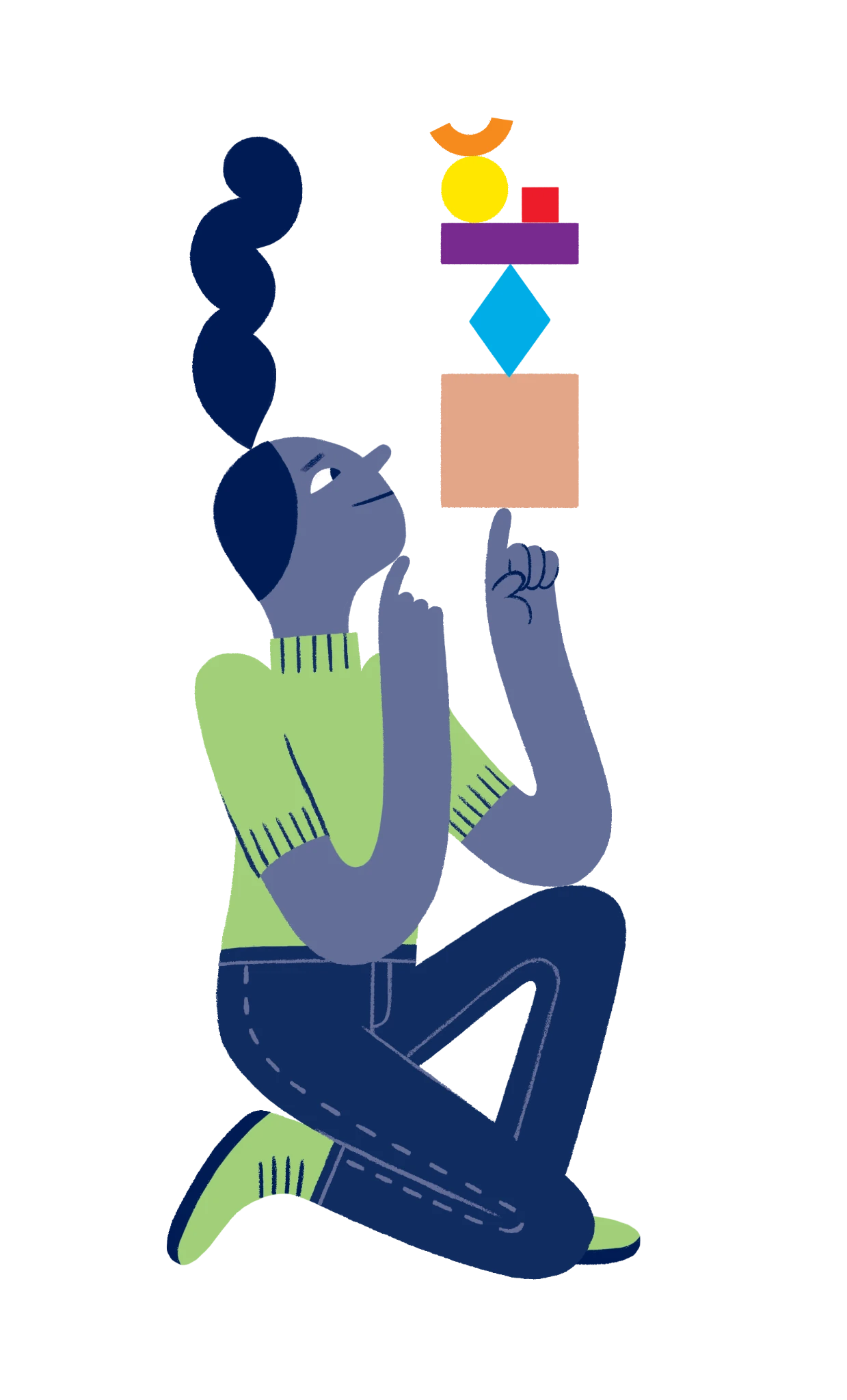
Be aware of your personality
Understanding your preferences means knowing what energizes you and what ticks you off.
Process Communication Model
Process Communication Model® (PCM) explains how people perceive the world, communicate, stay motivated and respond under stress. It helps us recognise individual differences and adapt the way we connect — without putting people into boxes.

Personality structure
PCM does not place people into six separate boxes. It starts from the understanding that all six Personality Types are present in every one of us: Thinker, Persister, Harmonizer, Rebel, Promoter and Imaginer. This means we can find a point of connection with each of them in other people.
Each type brings its own strengths, way of perceiving the world, communication preferences and psychological needs. Their unique order and combination form our individual Personality Structure — which is why the same words, situations and relationships can feel so different to different people.
No type is better than another. PCM helps us recognise these differences and communicate in ways that are easier for others to understand.
The story behind the model
Process Communication Model® was developed by American clinical psychologist Dr Taibi Kahler in the 1970s. Through his research, he identified recurring and observable patterns in the way people communicate — and in how their behaviour changes under stress.
In the late 1970s, Dr Kahler applied these insights to help NASA select astronauts for missions. In 1982, he validated the Personality Pattern Inventory and formally created PCM: a practical framework for understanding personality differences and making communication more effective.
In 1984, Hillary Clinton invited Dr Kahler to give a private three-day PCM seminar to Bill Clinton, then Governor of Arkansas, and a small group close to them. Dr Kahler later advised Clinton on connecting with different audiences and reviewed speeches during his presidential campaign.
A practical framework
Understanding your preferences means knowing what energizes you and what ticks you off.
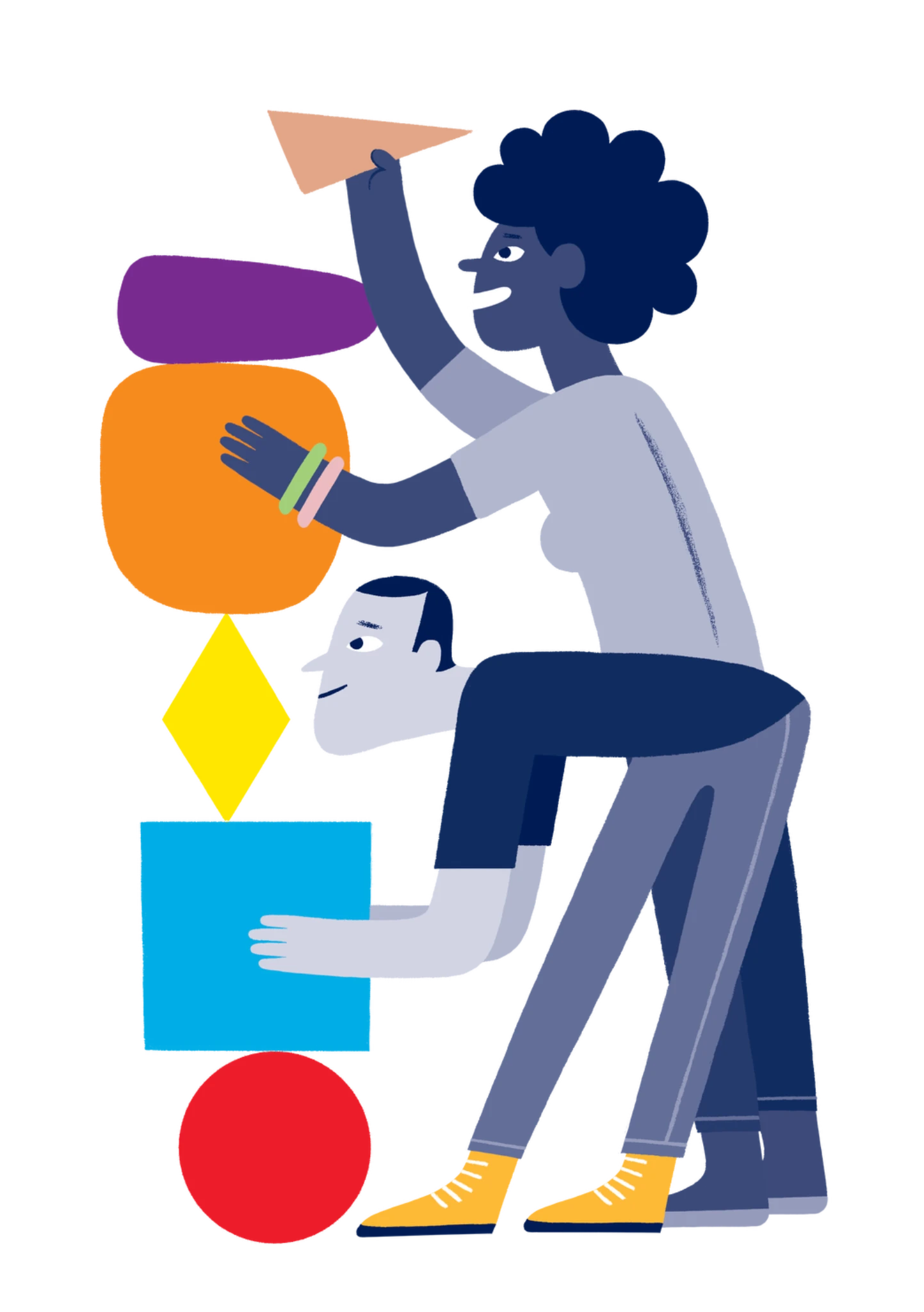
These observations inform you about people’s preferences and the best way to connect.

In order to make a genuine connection that feels good for both of you.

With everyday interactions, at work and at home, every day.
Established and evolving
Since its creation in 1982, PCM has continued to be researched and applied in a wide range of personal and professional contexts. Today, the model is practised in 58 countries, and more than 1.8 million people have experienced it.
PCM has been used by organisations including NASA, Pixar, L’Oréal, IKEA, BMW and Coca-Cola — as well as by people who want to understand themselves and communicate more effectively in everyday life.